


As you’ve got probably heard by now, Netflix is ready to buy the Warner Bros. movie and TV studios for roughly $83 billion. Assuming the deal receives the mandatory regulatory approvals, the transaction ought to shut someday within the third quarter of 2026. This can be a historic acquisition with foundation-shaking implications for the whole ecosystem of Hollywood, however for the needs of this text, we’ll slender the aperture and simply concentrate on what this deal would possibly imply for the way forward for the DC Universe.
Author/director James Gunn and producer Peter Safran have spent the previous few years growing a model new cinematic universe that is distinct from the now-defunct DC Prolonged Universe spearheaded by “Man of Metal” filmmaker Zack Snyder. Their new endeavor technically kicked off with the animated collection “Creature Commandos” on HBO Max, but it surely was taken to new heights with Gunn’s “Superman” film earlier this yr.
Let’s assume this Netflix deal goes by way of and assess some probably outcomes for what meaning for future DC initiatives. Count on DC movies like “Supergirl,” “Man of Tomorrow,” and “The Batman II” to be launched as regular, since Netflix must adhere to the prevailing contracts that just about actually stipulate these motion pictures will obtain a strong theatrical launch. However as soon as Netflix burns by way of the obligations and begins making its personal DC Universe movies, all bets are off. Selection is reporting that “Netflix’s present proposal for Warner Bros. would have a theatrical window as skinny as two weeks of exclusivity earlier than shifting to streaming,” whereas one other supply “flatly denied this, saying the durations can be longer.”
Some DC Universe motion pictures most likely will not be launched theatrically
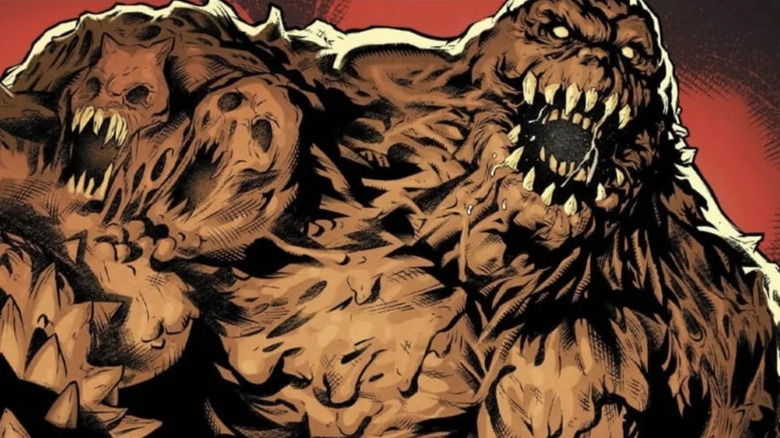
This might imply that some DC Universe motion pictures will not obtain theatrical releases in any respect. I count on movies centering the marquee, globally acknowledged characters will nonetheless be put in theaters so Netflix could make some cash right here and there, however I am unable to think about the corporate devoting the sources for a theatrical launch to smaller DC motion pictures that characteristic extra obscure characters. (I am guessing that R-rated “Clayface” film wouldn’t see the within of a theater if it was greenlit underneath the incoming regime.)
From a artistic standpoint, what forms of motion pictures would a Netflix-owned DC be excited about making? This Netflix/WB deal will probably decimate the theatrical enterprise in america, and with out the inducement to have interaction in daring, operatic, larger-than-life storytelling that impressed individuals to depart their houses to see on the large display screen, will the brand new DC even be capable of greenlight these forms of initiatives anymore? Will each new DC Universe property be much less formidable, cheaper, and on a a lot smaller scale than what we have seen earlier than, as a result of Netflix is aware of that most individuals, much more than earlier than, will now simply wait to observe these motion pictures at dwelling? And can future DC properties characteristic the characters restating the plot beats again and again, so distracted viewers who’re “second screening” the movie or folding laundry whereas watching can observe the story?
On the TV aspect of issues, it appears inevitable that present and upcoming HBO Max reveals like “The Penguin” and “Lanterns” will probably be swallowed up by Netflix, but it surely’s unclear at this stage if or how Netflix plan to distinguish the HBO initiatives from the remainder of the “content material” on the streaming service. And when it comes to theme parks, Bloomberg says WB is exploring licensing some DC rides to Common theme parks. (If that finally ends up truly occurring, it is going to be very odd, if for no different motive than NBCUniversal was competing with Netflix to purchase WB.)
What occurs to DC Comics?
DC Comics, as a writer, has been part of each Warner Bros. merger, so let’s assume it’s going to be part of this one, too. (Spinning that part of the enterprise off right into a separate entity would create a rights nightmare that might make mental property attorneys’ heads spin. If DC was cut up off from WB, Netflix most likely would not have the suitable to make new Batman motion pictures, for instance.)
That is simply knowledgeable hypothesis, however DC Comics readers most likely will not have rather a lot to fret about when it comes to Netflix interfering with the way in which that nook of the corporate is operated (assuming the deal goes by way of). Traditionally, Netflix has not proven a lot curiosity within the comics enterprise, and within the few situations the place it has, the streamer has largely remained hands-off. Netflix purchased comedian author and screenwriter Mark Millar’s Millarworld publishing firm in 2017, with the intention of adapting a lot of Millar’s comics in TV reveals and films for the streaming platform. Some had been made (“Jupiter’s Legacy”), some weren’t (“Empress”), however the firm continued to be concerned with publishing new comics like “The Magic Order” and “Huge Recreation.”
I think about Netflix’s co-CEOs, Ted Sarandos and Greg Peters, can have a lot larger fish to fry when the WB property come into their management, so the almost definitely final result appears to be that they’d proceed to let DC Comics run as its personal entity and never meddle an excessive amount of within the day-to-day operations there.
We’ll proceed to chronicle this industry-rattling deal on /Movie, so keep tuned.

